Daily Nutrition Routine Guide for Healthy Eating
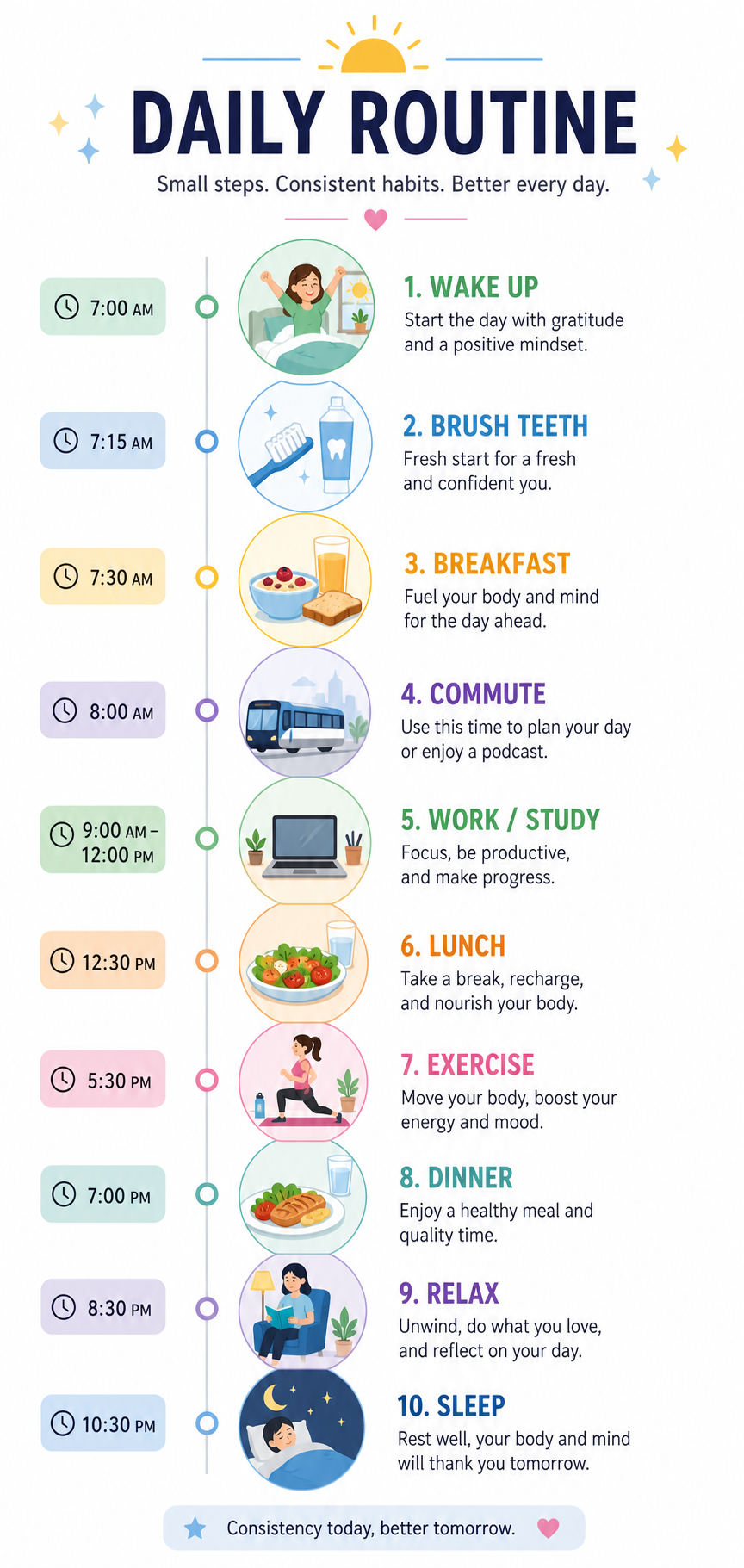
Building a Daily Nutrition Routine: A Complete Guide
A strong daily nutrition routine can make healthy eating feel simpler, more consistent, and far less stressful. Instead of constantly wondering what to eat, you create a structure that supports your energy, mood, digestion, and long-term wellness. The goal is not perfection. The goal is to build a routine that works for your lifestyle and helps you make nourishing choices most of the time.
This guide walks you through the core parts of a daily nutrition routine, from understanding your needs to planning meals, staying flexible, and troubleshooting common challenges. Whether you are starting from scratch or improving an existing habit, you can use these strategies to build a routine that lasts.
Why a Daily Nutrition Routine Matters
Eating well is easier when it becomes a routine rather than a series of daily decisions. A predictable structure can reduce decision fatigue, help you stay consistent during busy periods, and make it easier to notice how food affects your body.
A daily nutrition routine can help you:
- Maintain steady energy throughout the day
- Reduce mindless snacking and skipped meals
- Support better digestion and appetite regulation
- Make grocery shopping and meal prep easier
- Build healthier habits without relying on willpower alone
The best routines are realistic. They fit your schedule, food preferences, budget, cultural background, and health goals. A routine that feels overly strict is hard to maintain, so the key is structure with flexibility.
Start by Understanding Your Nutrition Needs
Before building a routine, it helps to understand what your body needs on a regular basis. Nutrition is not one-size-fits-all. Your age, activity level, health conditions, hunger patterns, work schedule, and personal goals all influence what a balanced routine looks like for you.
Focus on the basics first
A balanced daily routine usually includes a mix of protein, carbohydrates, healthy fats, fiber-rich foods, and fluids. These nutrients work together to support energy, brain function, muscle repair, and fullness.
- Protein: Helps with satiety and muscle maintenance
- Carbohydrates: Provide energy for the brain and body
- Healthy fats: Support hormones, brain health, and nutrient absorption
- Fiber: Supports digestion and helps keep you full
- Fluids: Support hydration, circulation, and temperature control
You do not need to count every nutrient to eat well. In many cases, simply building balanced meals and eating consistently is enough to make a meaningful difference.
Pay attention to your hunger and energy patterns
Notice when you tend to feel hungry, sluggish, or energized. Some people need breakfast soon after waking, while others are not hungry until later. Some people do best with three meals a day, while others prefer smaller meals and snacks. There is no universal schedule that works for everyone.
Instead of forcing a routine that does not match your body, use your patterns as a guide. A sustainable nutrition routine should support your natural rhythm, not fight against it.
Build Your Routine Around Key Eating Anchors
One of the easiest ways to create a daily nutrition routine is to establish eating anchors. These are consistent points in the day where you plan to eat, such as breakfast, lunch, dinner, and one or two snacks. Anchors give your day structure without requiring rigid rules.
1. Breakfast
Breakfast can help set the tone for the day, especially if you tend to get very hungry in the morning or struggle with low energy later. A balanced breakfast often includes protein, fiber, and a source of carbohydrate.
Examples include:
- Oatmeal topped with fruit, nuts, and yogurt
- Eggs with whole-grain toast and vegetables
- Greek yogurt with berries and granola
- Smoothie with fruit, protein, and healthy fats
If you are not hungry early in the day, you may prefer a lighter breakfast or a delayed first meal. The important thing is to avoid long stretches without eating if that leads to overeating or energy crashes later.
2. Lunch
Lunch is often where routines break down because of work schedules, school, or errands. Planning lunch in advance can help you avoid relying on whatever is most convenient in the moment.
A simple lunch formula is:
- One protein source
- One fiber-rich carbohydrate
- One or more vegetables or fruits
- A source of healthy fat if needed
Examples include chicken and rice bowls, bean salads, turkey sandwiches with vegetables, or leftovers from dinner.
3. Dinner
Dinner is often the largest or most social meal of the day. It can be a chance to recover from a busy schedule and get in a wide range of nutrients. Try to include a protein source, a vegetable, and a satisfying carbohydrate or starch.
Examples include salmon with potatoes and broccoli, tofu stir-fry with rice, pasta with vegetables and meat sauce, or chili with a side salad.
4. Snacks
Snacks can be helpful if there are long gaps between meals, if you are physically active, or if you often feel overly hungry before your next meal. The best snacks combine at least two food groups, such as protein and carbohydrate or fat and fiber.
Examples include:
- Apple slices with peanut butter
- Cheese and whole-grain crackers
- Hummus with vegetables
- Yogurt with fruit
- Trail mix with nuts and dried fruit
Use Meal Structure to Make Eating Easier
You do not need complicated recipes to eat well. A few repeatable meal structures can save time and mental energy while still allowing variety.
A simple meal-building formula
Use this easy framework when planning meals:
| Meal Component | Examples |
|---|---|
| Protein | Eggs, chicken, fish, tofu, beans, yogurt, cottage cheese |
| Carbohydrate | Rice, oats, potatoes, bread, pasta, quinoa, fruit |
| Vegetables | Spinach, carrots, broccoli, peppers, cucumbers, tomatoes |
| Healthy fat | Avocado, olive oil, nuts, seeds, nut butter |
This model helps you create balanced meals quickly. You can mix and match ingredients based on what you have on hand and what you enjoy eating.
Keep a few go-to meals
Having a short list of reliable meals can make your nutrition routine much easier. Rotate meals you already know how to prepare, then experiment with new options gradually.
For example, you might keep these as staples:
- Overnight oats for breakfast
- Grain bowls for lunch
- Sheet-pan dinners for busy nights
- Simple smoothies for quick meals or snacks
Routine does not mean boredom. It means having dependable options that reduce stress while leaving room for variety.
Plan Your Grocery Routine
A daily nutrition routine is much easier to follow when your kitchen is stocked with useful foods. Grocery planning helps prevent last-minute choices that are often less balanced and more expensive.
Make a repeatable shopping list
Try organizing your grocery list into categories so shopping becomes faster and more efficient:
- Protein foods
- Whole grains and starches
- Fruits and vegetables
- Dairy or alternatives
- Healthy fats
- Flavor items such as herbs, sauces, and spices
Building a routine around a standard list can also make it easier to spot what you are missing for the week.
Stock your kitchen with flexible staples
Some foods are especially useful because they can be turned into many different meals. Keeping a few staples on hand can make healthy eating more convenient.
Examples include:
- Oats
- Brown rice or other grains
- Eggs
- Frozen vegetables
- Canned beans
- Fruit
- Yogurt
- Nut butter
Frozen and canned foods are often overlooked, but they can be affordable, practical, and nutritious. They are especially useful when fresh produce is not available or when you need quick meal options.
Set a Mealtime Rhythm
Consistency can support better appetite awareness and reduce the chance of getting too hungry. A simple mealtime rhythm might involve eating every three to five hours, but the exact timing should fit your body and schedule.
Tips for staying consistent
- Eat around the same time most days
- Set reminders if you tend to forget meals
- Keep easy snacks available for long gaps
- Prepare meals the night before when mornings are rushed
- Build meals into your calendar when needed
If your routine changes from day to day, focus on a few anchor habits rather than strict clock times. For example, you might always eat within an hour of waking, pack lunch before leaving home, and plan a balanced dinner after work.
Support Your Routine with Meal Prep
Meal prep does not have to mean cooking every meal for the week in advance. It can be as simple as washing produce, cooking grains, portioning snacks, or preparing a few ingredients ahead of time.
Low-effort prep ideas
- Chop vegetables for salads and stir-fries
- Cook a batch of rice, quinoa, or potatoes
- Hard-boil eggs for quick protein
- Make overnight oats for breakfast
- Portion nuts, fruit, or crackers into snack containers
- Prepare a simple sauce or dressing
Small prep tasks can have a big impact because they remove friction. When healthy choices are already convenient, you are more likely to follow through.
Hydration Is Part of Nutrition
Water plays an important role in a daily nutrition routine, yet it is often ignored. Mild dehydration can affect energy, focus, and digestion. Rather than waiting until you feel thirsty, it helps to drink fluids regularly throughout the day.
Easy hydration habits include:
- Drinking a glass of water after waking up
- Keeping a reusable bottle nearby
- Drinking with meals and snacks
- Choosing water, milk, or unsweetened beverages more often
Your fluid needs vary based on climate, activity, and individual factors, so hydration should be flexible rather than exact. The best approach is to build a steady pattern that keeps you feeling good.
Make Room for Flexibility and Real Life
A healthy nutrition routine should be supportive, not punishing. Life includes travel, celebrations, work deadlines, busy mornings, and unexpected changes. A routine that only works on perfect days is not a strong routine.
Use the 80/20 mindset
Many people find it helpful to aim for consistency most of the time while allowing room for more spontaneous choices. The goal is not to eat "perfectly." The goal is to maintain a pattern that supports your overall well-being.
Plan for imperfect days
Think ahead about what you will do when your routine gets disrupted. Keep backup snacks in your bag, store a few freezer meals at home, or identify takeout options that still give you a balanced meal.
When things do not go as planned, the next meal is simply your next chance to get back on track.
Common Mistakes to Avoid
Building a daily nutrition routine becomes easier when you know what commonly gets in the way.
- Being too rigid: Strict rules can make eating feel stressful
- Skipping meals: Long gaps can lead to low energy and overeating later
- Relying on motivation only: Habits and structure work better than willpower
- Not planning ahead: A lack of food at home makes healthy choices harder
- Ignoring preferences: A routine is easier to maintain when you actually enjoy the food
- Trying to change everything at once: Small steps are more sustainable
If your previous attempts at healthy eating felt unsustainable, the problem may not have been your discipline. It may have been the plan. Simplifying and personalizing your routine can make it much more effective.
How to Build Your Routine Step by Step
If you are ready to start, keep the process simple. A gradual approach often leads to better long-term success than a complete overhaul.
- Choose your meal anchors for the day.
- Pick a few balanced meals you enjoy.
- Create a grocery list based on those meals.
- Prep one or two ingredients in advance.
- Set reminders if you often forget to eat.
- Review what worked at the end of the week.
As you repeat the process, your routine will become more natural. Over time, healthy eating starts to feel less like effort and more like a normal part of your day.
Checklist for Building a Daily Nutrition Routine
- Identify your usual hunger and energy patterns
- Choose consistent meal anchors
- Include protein, carbs, and fiber-rich foods in most meals
- Keep a few go-to meals you can repeat
- Stock flexible staples in your kitchen
- Prepare snacks for busy days
- Set up a simple grocery list
- Drink fluids regularly throughout the day
- Leave room for flexibility
- Review and adjust your routine each week
FAQ About Building a Daily Nutrition Routine
How do I start a nutrition routine if I am overwhelmed?
Start with just one or two habits, such as eating breakfast more consistently or planning lunch the night before. Small changes are easier to maintain and can create momentum for bigger improvements later.
Do I need to eat at the same time every day?
No. Consistency helps, but your routine should fit your schedule. A general rhythm is usually more realistic than exact meal times.
What if I am not hungry in the morning?
You may not need a large breakfast. Try something small, like fruit, yogurt, toast, or a smoothie, or wait until you are hungry while making sure you do not go too long without eating.
How many meals should I eat per day?
There is no single correct number. Some people feel best with three meals and one snack, while others prefer different patterns. The best routine is the one that keeps your energy stable and fits your lifestyle.
Can I still have treats in a healthy routine?
Yes. A balanced nutrition routine can include enjoyable foods. The key is to make room for both nourishing meals and foods you simply enjoy, without guilt or extremes.
What if I eat out often?
Eating out can still fit into a healthy routine. Focus on choosing meals that include a protein source, some vegetables or fruit, and enough food to leave you satisfied. You can also balance restaurant meals with simpler meals at home.
How do I stay consistent on busy days?
Use backup options. Keep easy foods on hand, prep ahead when possible, and make a short list of go-to meals that take little effort. Consistency improves when healthy choices are convenient.
Final Thoughts
Building a daily nutrition routine is not about following a perfect diet. It is about creating a pattern that helps you eat in a way that supports your body, your energy, and your life. When you simplify meal decisions, stock helpful foods, and build habits around your real schedule, healthy eating becomes more manageable and more sustainable.
Start small, stay consistent, and adjust as needed. The best nutrition routine is the one you can actually keep.
Try Gruns Gummies Today
Packed with vitamins & nutrients from real fruits and vegetables. Your daily wellness routine, simplified.
Shop Now →