Health Apps Nutrition Tracking 2026: Your Ultimate Guide
Health Apps Nutrition Tracking: A Comprehensive Overview for 2026
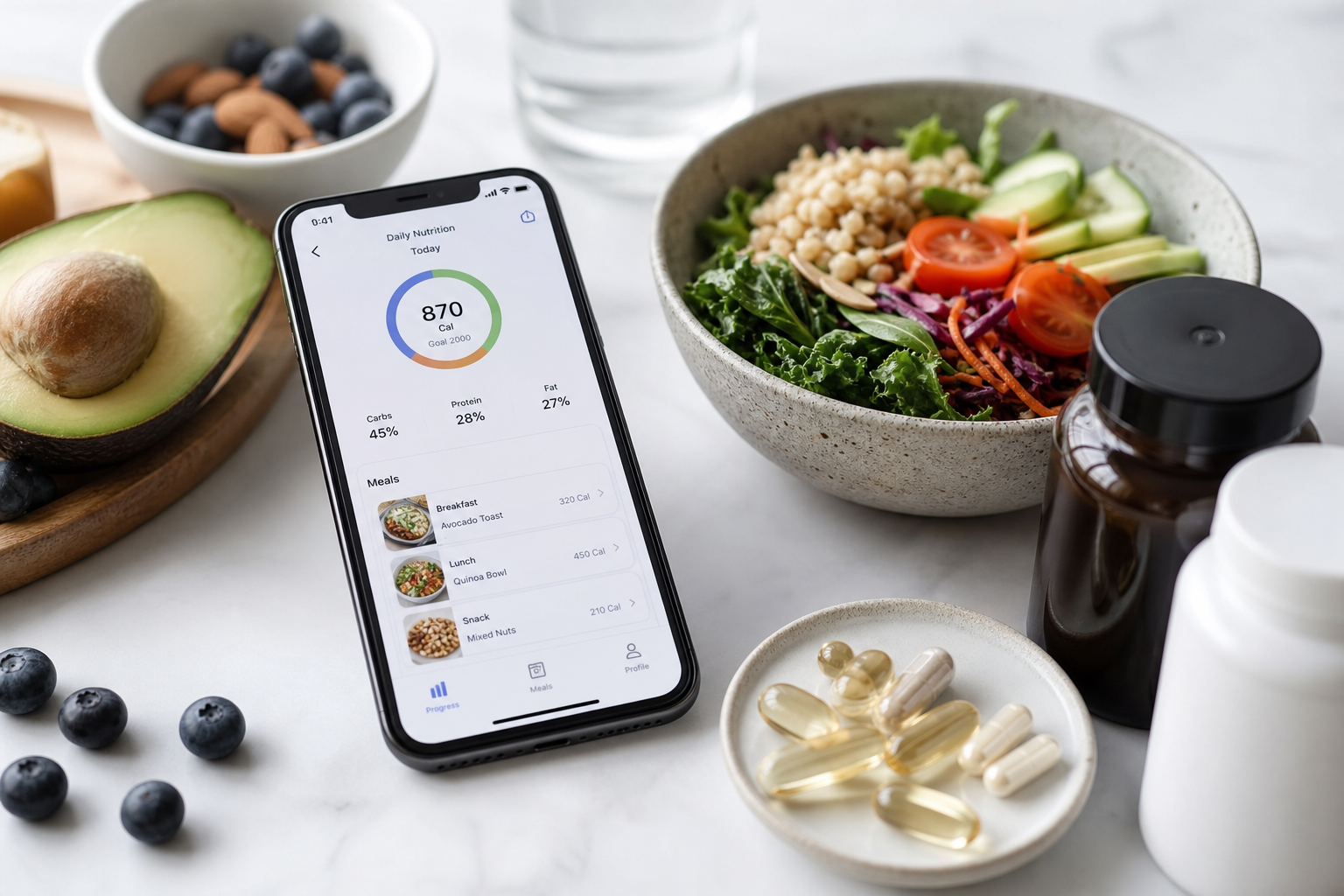
As the demand for personalized health solutions grows, nutrition tracking apps are becoming essential tools for individuals seeking to manage their dietary habits effectively. By 2026, advancements in technology and user engagement strategies have transformed the landscape of nutrition apps, making healthy eating more accessible than ever.
1. Top Nutrition Apps of 2026
1.1 PlanEat AI
PlanEat AI has emerged as a leader in the nutrition app category by focusing on automation for meal planning. The app integrates grocery lists, allowing users to streamline their shopping experience and save time. This automation makes it easier for busy individuals and families to maintain healthy eating habits.
1.2 MyFitnessPal
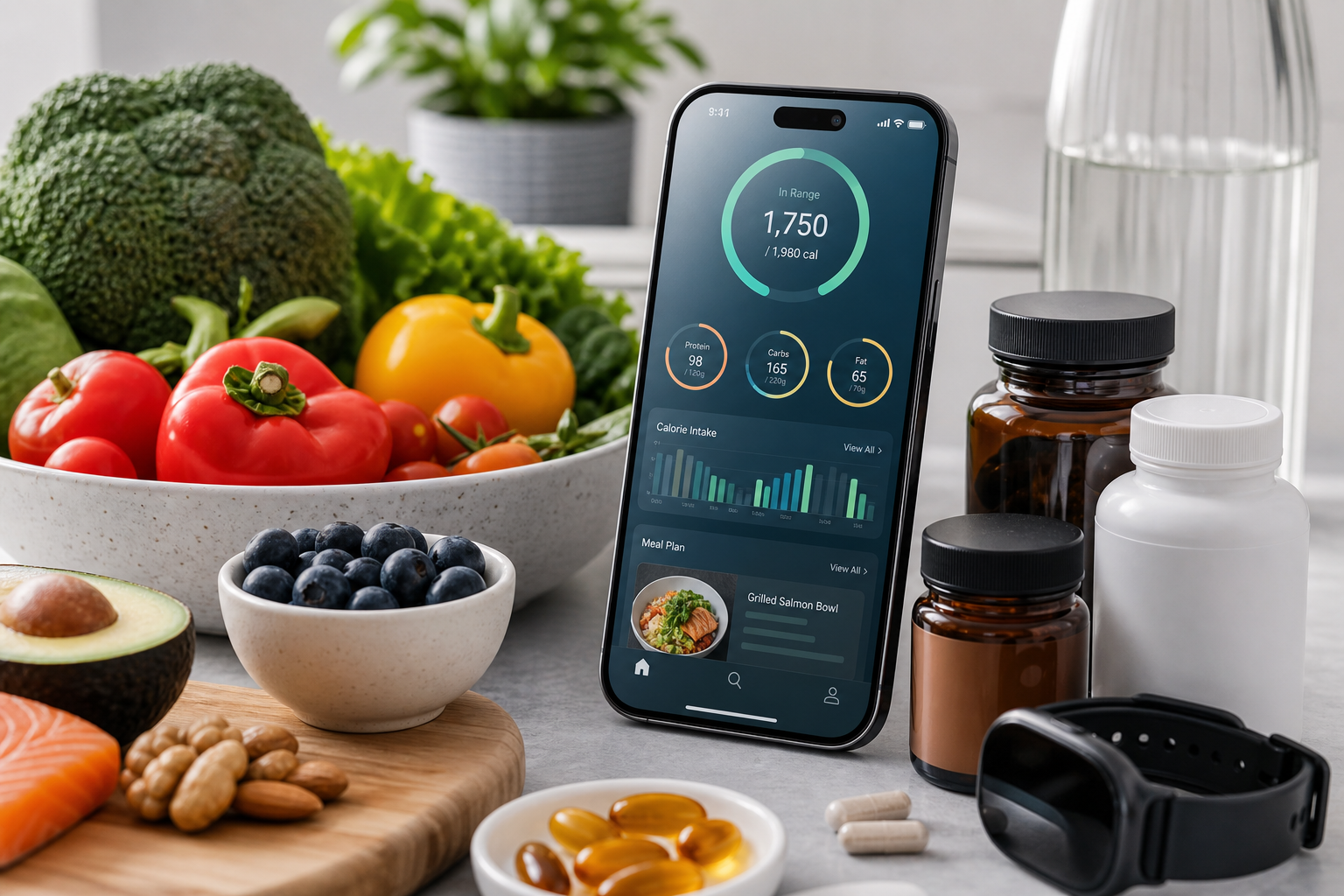
MyFitnessPal is renowned for its detailed tracking capabilities. In 2026, it has introduced AI logging features, which significantly enhance user engagement by simplifying the food logging process. The app also fosters community support, offering a platform for users to share experiences and tips.
1.3 Lifesum and Yazio
Lifesum and Yazio stand out for their focus on lifestyle-oriented designs and user-friendly interfaces. These apps cater to diverse dietary preferences, making them appealing to a wide range of users looking to improve their nutrition.
2. Market Trends and Growth
2.1 Projected Market Expansion
The nutrition app market is projected to grow significantly, driven by increased demand for personalized health solutions. This growth is supported by a diverse range of available apps, including MyFitnessPal, Lose It!, Yazio, FatSecret, and Cronometer, indicating a broad landscape of options (Source 3).
2.2 Shift Towards Automation
There is a noticeable shift from traditional manual tracking methods to automated planning in nutrition apps. This transition not only improves user engagement but also addresses the challenges many users face in maintaining discipline with manual tracking.
2.3 Rising Popularity of Health Apps
Health apps are seeing increased adoption across various demographics. Users ranging from young adults to older individuals are turning towards these tools for weight management and overall health improvement. The convenience of remote health monitoring has further fueled this trend (Source 3).
3. User Demographics and Usage Statistics
3.1 Diverse User Base
A breakdown of users shows that nutrition apps attract a diverse audience interested in various health goals, from weight management to general wellness. This broad usage base highlights the versatility of nutrition apps in meeting different user needs (Source 3).
3.2 Frequency of Use
Statistics reveal that regular engagement with nutrition apps correlates with improved dietary habits and health outcomes. Users who frequently log their meals are more likely to see positive changes in their nutritional intake.
3.3 User Satisfaction
Surveys indicate high satisfaction levels among users of various nutrition apps. Common features that enhance user experience include ease of use, data accuracy, and community support, which are often cited in user testimonials.
4. Feature Comparison and Innovations
4.1 Data Quality Assurance
Apps like Cronometer prioritize data quality by using verified sources for nutritional information. This focus on accuracy is critical for users aiming for precise tracking of their dietary intake (Source 2).
4.2 Innovations in App Design
Emerging features, such as gamification, have been integrated into nutrition apps to enhance user engagement. By incorporating elements that reward users for achieving their goals, these apps are becoming more appealing to health-conscious individuals.
4.3 Freemium Models
Many nutrition apps operate on a freemium model, offering basic services for free while charging for premium features. This model allows users to explore functionalities without immediate financial commitment, which is particularly beneficial for those testing the waters of nutritional tracking (Source 3).
5. Expert Opinions and User Testimonials
5.1 Quotes from Health Professionals
Dietitians and nutritionists have shared insights on the effectiveness of nutrition tracking apps. According to a registered dietitian, “These apps serve as valuable tools for users who are committed to improving their health through better nutrition” (Source 1).
5.2 User Experiences
User testimonials highlight numerous success stories attributed to app usage, including significant weight loss and improved eating habits. However, many users also report challenges in maintaining consistent usage over time, underscoring the need for ongoing motivation and support.
6. Background Context and History
6.1 Evolution of Nutrition Apps
The development of nutrition tracking technology has evolved dramatically since its inception. Key milestones include the introduction of mobile applications and the integration of AI, which have reshaped the way users interact with their dietary habits.
6.2 Impact of Technology on Health Tracking
Technological advancements, particularly in AI and machine learning, have played a significant role in personalizing user experiences in nutrition apps. These innovations allow for tailored recommendations based on individual dietary preferences and health goals.
7. Broader Implications of Nutrition Tracking Apps
7.1 Influence on Health Trends
Nutrition apps contribute to broader public health initiatives by promoting awareness about dietary choices and encouraging healthier eating habits. This influence extends to healthcare providers, who may recommend these apps as part of patient management strategies.
7.2 Future of Nutrition Tracking
Looking ahead, the future of nutrition tracking apps appears promising, with potential for further integration of technology and enhanced user interactivity. However, challenges remain, including user retention and the need for continuous innovation to meet evolving consumer demands.
Conclusion
As nutrition tracking apps continue to evolve, their role in personal health management becomes increasingly significant. Innovations in automation and user engagement are poised to meet the diverse needs of users, transforming the approach to healthy eating for many. Understanding these trends, features, and user experiences can help individuals select the right app to support their health goals.
Try Gruns Gummies Today
Packed with vitamins & nutrients from real fruits and vegetables. Your daily wellness routine, simplified.
Shop Now →