Health Apps: Nutrition Tracking & Supplements in 2026
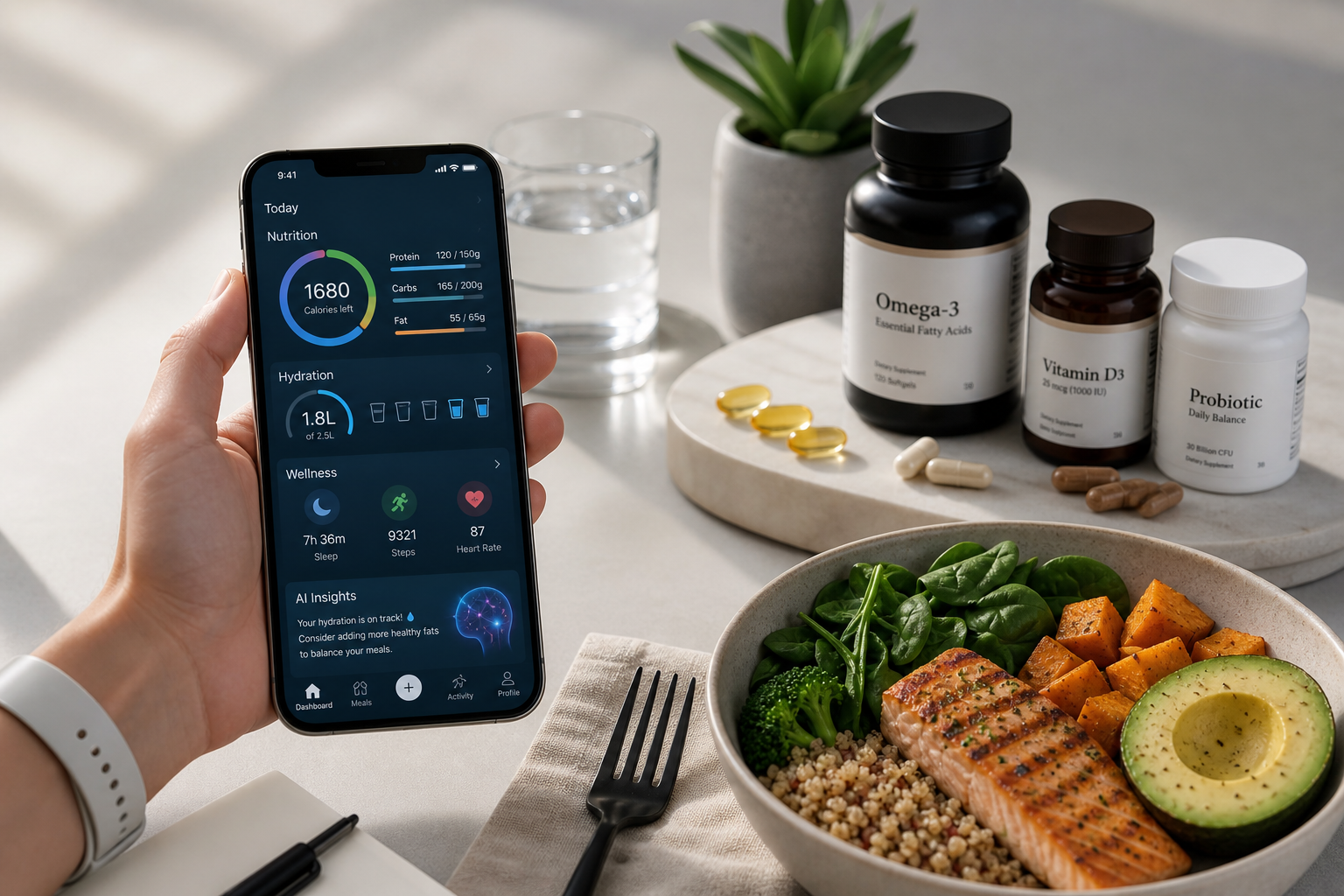
The Future of Health: Nutrition Tracking Apps and Supplements in 2026
As the health and wellness industry continues to evolve, nutrition tracking apps are becoming essential tools for individuals aiming to manage their diets effectively. By 2026, advancements in technology and personalized health solutions are expected to further shape the landscape of nutrition tracking. This article explores the top nutrition tracking apps, market trends, user demographics, and technological innovations to watch for in the coming years.
Top Nutrition Tracking Apps
MyFitnessPal
MyFitnessPal is renowned for its extensive food database and user-friendly interface, making it one of the most popular nutrition tracking apps available. It seamlessly syncs with various wearable devices, providing users with a comprehensive view of their dietary habits and health metrics.
Nutrisense
Nutrisense stands out by combining glucose monitoring with meal tracking. This app offers educational resources that enhance user knowledge about dietary choices and their effects on blood sugar levels, making it particularly useful for those managing conditions like diabetes.
Cronometer
Cronometer focuses on detailed tracking of calories, macronutrients, and micronutrients. It emphasizes the quality of nutrient intake over quantity, appealing to users who are serious about their dietary health and nutritional knowledge.
Market Growth and Trends
Projected Growth
The nutrition app market is experiencing significant growth due to rising demand for personalized health solutions. According to research, this trend is expected to continue, with a wide range of applications tailored to meet individual dietary needs and goals.
Business Models
Many nutrition apps operate on a freemium model, providing basic features for free while charging for advanced functionalities. This approach allows users to explore the app's offerings before deciding to invest in premium features.
User Engagement and Effectiveness
Diverse User Base
Nutrition tracking apps attract a diverse range of users, from young adults to older individuals. The appeal spans both casual dieters and serious fitness enthusiasts, illustrating the versatility and broad applicability of these tools.
Success Rates
Many users report success in achieving their health goals through consistent usage of these apps. Research indicates that apps can enhance accountability and motivation, leading to improved dietary management and weight loss outcomes.
Cost of Nutrition Apps
Pricing Overview
Prices for nutrition apps vary significantly. Basic functionalities are often available for free, while premium features typically range from $5 to $25 per month. Additionally, some apps may offer one-time purchases priced between $35 and $200, depending on the features included.
Value of Subscription Models
Users frequently evaluate the cost of these apps against their potential health benefits. The subscription models allow for flexibility in accessing advanced features that aid in achieving health and dietary objectives.
Technological Innovations
Advanced Features in Nutrition Apps
Many modern nutrition apps incorporate advanced features such as AI meal planning, macro tracking, and barcode scanning. These tools simplify food logging and enhance users’ ability to track their nutritional goals effectively.
Integration with Health Devices
Seamless connections with other health monitoring devices allow users to manage their overall health comprehensively. This integration can lead to better health outcomes by providing a holistic view of personal wellness.
The Role of Continuous Glucose Monitoring
Emerging Trends in Personalized Nutrition
Continuous glucose monitoring is becoming increasingly important in personalized nutrition. Understanding blood sugar levels enables users to make informed dietary choices that align with their health needs.
Educational Resources
Apps that provide insights on glucose responses to different foods enhance users' understanding of their diets. This educational aspect can empower users to make better choices that support their health goals.
Conclusion
As we approach 2026, nutrition tracking apps are set to play a crucial role in dietary management and health improvement. With a variety of apps available, each offering unique features and functionalities, users have the tools necessary to achieve their health goals. The integration of advanced technologies, such as AI and continuous glucose monitoring, will likely enhance the effectiveness of these applications, making personalized nutrition tracking more accessible than ever. As the market continues to grow and evolve, staying informed about the latest trends and innovations will be essential for anyone interested in optimizing their health through technology.
Try Gruns Gummies Today
Packed with vitamins & nutrients from real fruits and vegetables. Your daily wellness routine, simplified.
Shop Now →