Plant-Based Gummy Vitamins 2026: Nutritional Innovation
Plant-Based Gummy Vitamins 2026: The Future of Nutritional Supplements
Introduction
In a world where convenience meets health consciousness, plant-based gummy vitamins are quickly becoming the go-to supplement for many. But what does the future hold for this innovative form of nutrition? This article delves into the science, trends, and benefits of plant-based gummy vitamins, exploring their nutritional value and the evolving market landscape as we approach 2026.
The Rise of Plant-Based Gummy Vitamins
Understanding Market Trends
Growth Projections
The gummy vitamins market is experiencing remarkable growth, with projections indicating an increase from USD 8.98 billion in 2025 to USD 18.55 billion by 2033. This reflects a compound annual growth rate (CAGR) of 9.52% from 2026 to 2033, driven by rising consumer demand for convenient and tasty health supplements.
Key Demographics
Target audiences for plant-based gummy vitamins include:
- Health-conscious consumers looking for convenient dietary supplements.
- Women seeking tailored nutritional support during different life stages, such as PMS and menopause.
- Vegans and vegetarians in need of specific vitamins (e.g., B12, D3) often lacking in plant-based diets.
- Parents interested in nutritional supplements for children.
Consumer Preferences
There is a noticeable shift toward clean-label formulations, with consumers increasingly demanding transparency regarding ingredient sourcing. This trend emphasizes the absence of added sugars and the use of pectin as a gelling agent instead of gelatin, catering to a more health-conscious demographic.
Nutritional Innovations in Gummy Vitamins
New Ingredients on the Market
Innovative ingredients are being incorporated into gummy vitamins, such as TopGum's women's health gummies, which contain 150 mg of shatavari root extract and 5 mcg of vitamin D per gummy. These ingredients are specifically aimed at supporting women during menopause and postpartum recovery.
Shift to Plant-Based Ingredients
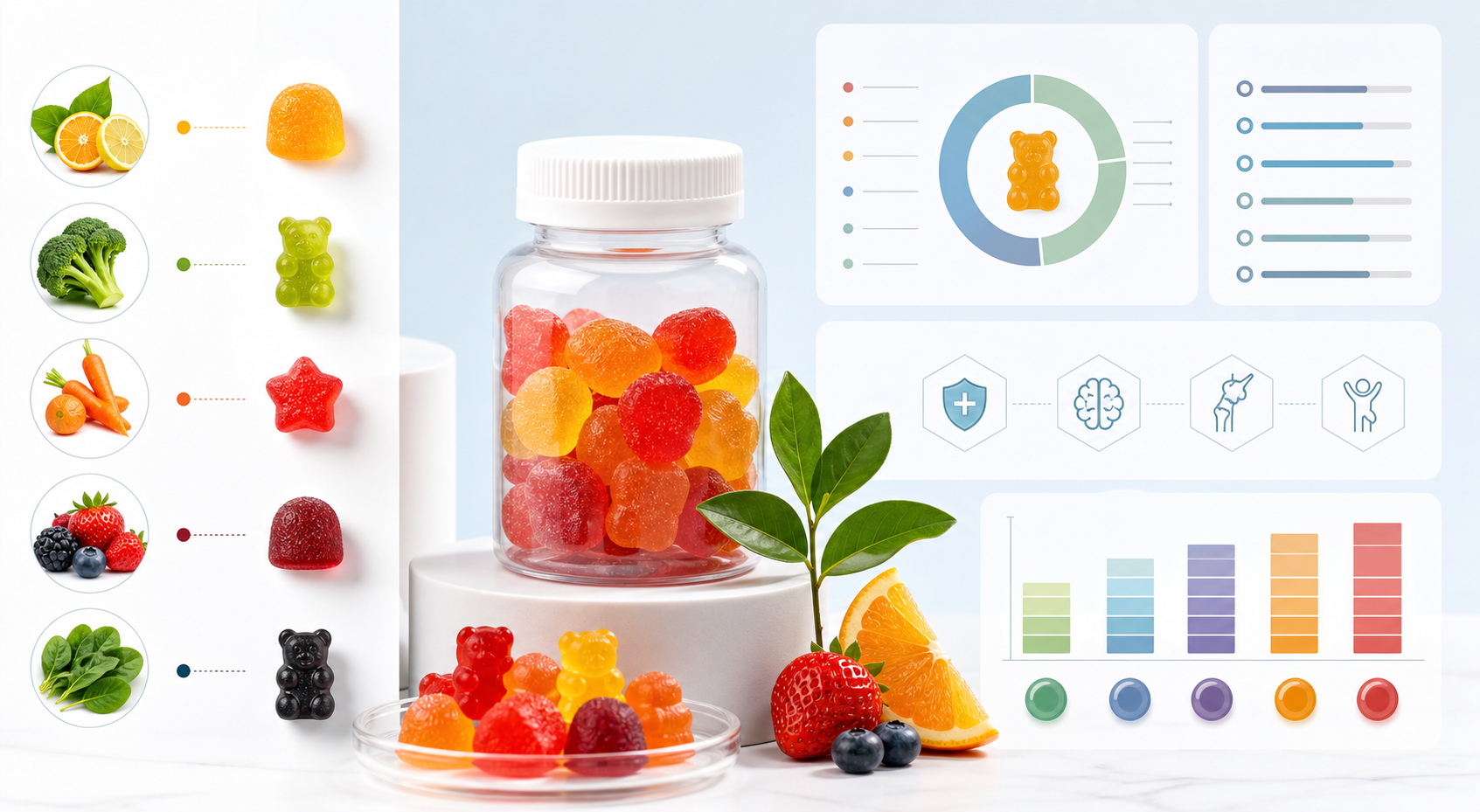
The trend toward using natural flavors and colors in gummy vitamins is notable. Manufacturers are increasingly using real fruit extracts and plant-based coloring agents to enhance flavor and visual appeal.
Gelling Agents
The use of pectin as a gelling agent instead of gelatin is significant for vegan consumers. Pectin is derived from fruit, making it a suitable alternative that aligns with vegan dietary preferences.
- Shatavari root extract: 150 mg
- Vitamin D: 5 mcg per gummy
The Science Behind the Nutritional Value
Essential Vitamins and Minerals
Common nutrients found in gummy vitamins include:
| Nutrient | Amount per Serving | % Daily Value |
|---|---|---|
| Vitamin C | 30 mg | 33% |
| Vitamin D | 5 mcg | 25% |
| B12 | 2.4 mcg | 100% |
Benefits of Plant-Based Nutrients
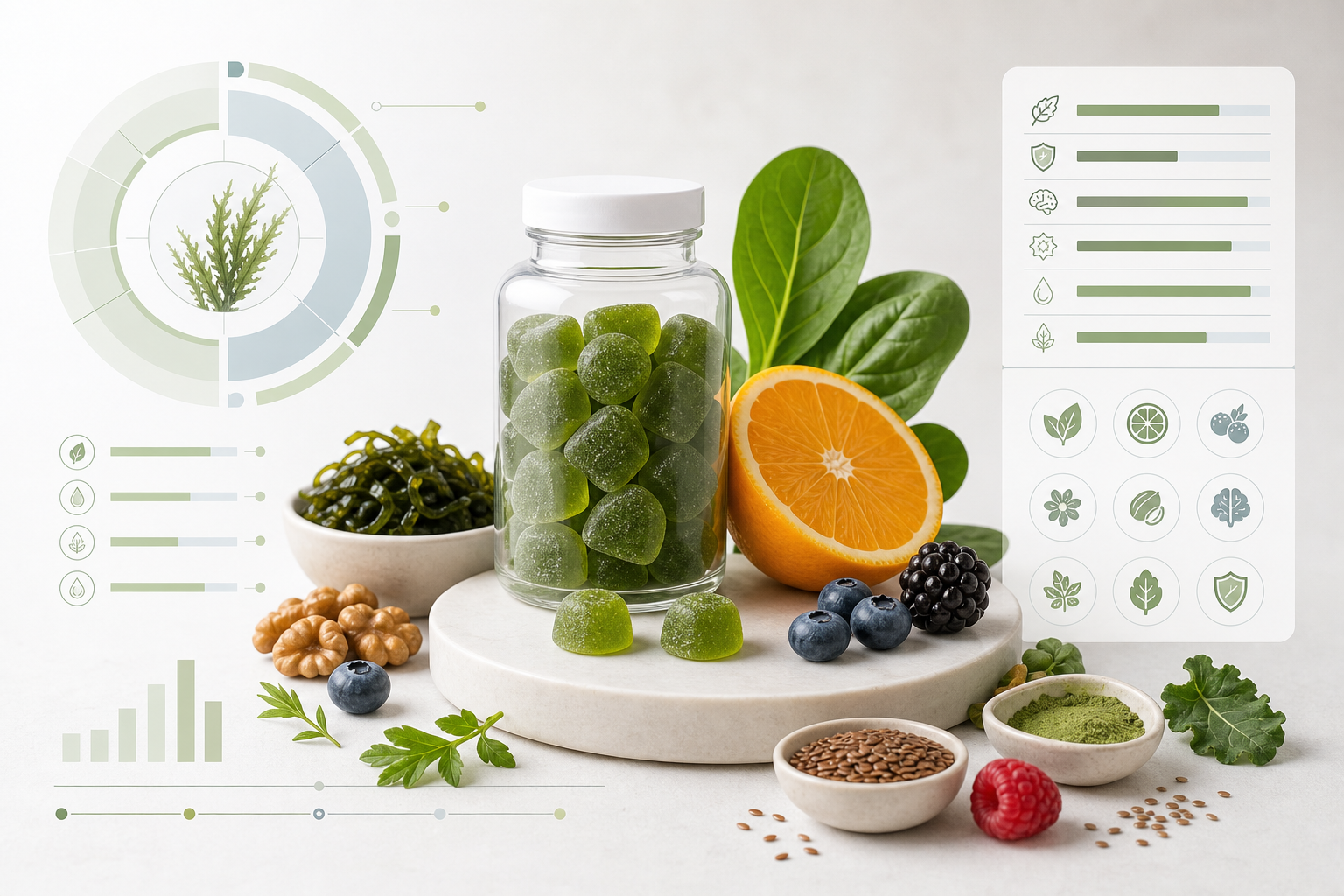
Plant-based vitamins and minerals offer several advantages, including enhanced bioavailability and the presence of phytonutrients, which can provide additional health benefits. Research shows that plant-derived compounds may support various bodily functions, from boosting immunity to promoting digestive health.
Targeted Nutritional Needs
Gummy vitamins are tailored to address specific health needs such as immunity and digestive health. For example, Vitamin C is known for its role in supporting immune function, while B-complex vitamins aid in energy metabolism.
The Flavor Revolution
Exotic and Premium Flavors
The gummy vitamin market is witnessing a flavor revolution with the introduction of exotic and premium flavor profiles. Consumers are attracted to unique tastes that go beyond traditional options, enhancing the overall experience of supplementation.
Consumer Engagement
The impact of flavor on consumer choice and adherence to supplementation cannot be overstated. A more enjoyable taste translates into consistent use, which is crucial for achieving desired health benefits.
The Role of Real Fruit Extracts
Incorporating real fruit extracts not only improves flavor but also provides additional nutrients. These extracts can enhance the vitamin's appeal by offering taste and color derived from natural sources.
How to Choose the Right Gummy Vitamins
Reading Labels
When selecting gummy vitamins, it is essential to read labels carefully. Look for products that list their ingredients clearly, prioritize natural components, and avoid added sugars. Transparency in labeling can guide consumers towards healthier options.
Dosage and Serving Sizes
Adhering to recommended dosages is vital for effectiveness. Consumers should be aware of the serving sizes and not exceed them, as more is not always better when it comes to vitamins.
Integrating into Your Diet
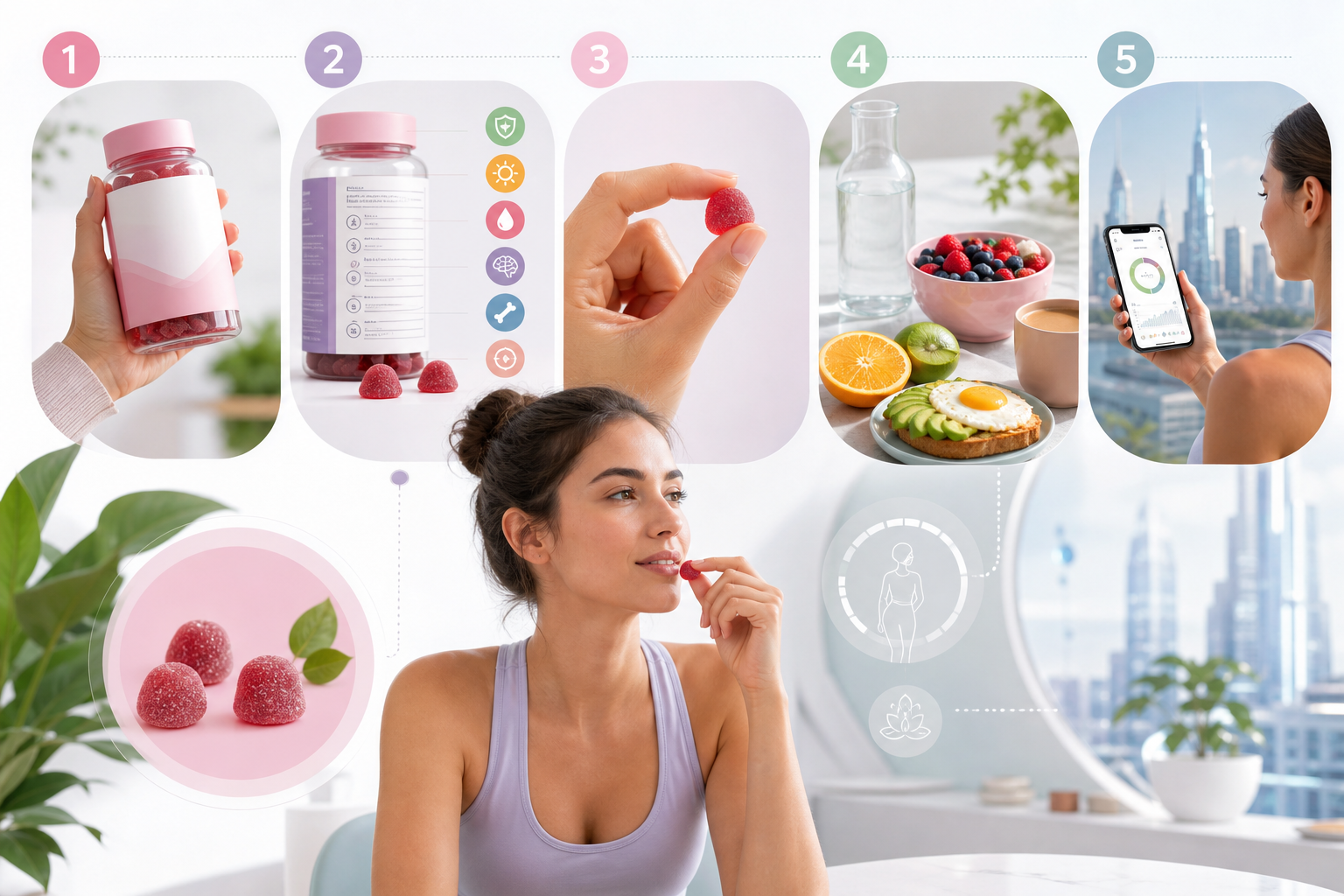
Incorporating gummy vitamins into daily routines can be straightforward. Consider taking them at a consistent time each day, perhaps alongside a meal, to enhance absorption and create a habit.
Understanding the Trade-offs
Sugar Content
One potential downside of gummy vitamins is their sugar content. Many formulations include added sugars for taste, which can contribute to excess calorie intake and may negatively impact dental health. It is essential to monitor sugar levels in these products.
Nutrient Absorption Issues
There are differences in absorption rates between gummy vitamins and traditional tablet forms. While gummies are more palatable, they may not always provide the same level of nutrient absorption as tablets or capsules. This is an important consideration for consumers seeking optimal health outcomes.
Allergens and Sensitivities
Common allergens, such as gluten, soy, or dairy, may be present in some gummy formulations. Individuals with food sensitivities or allergies should read labels carefully to avoid adverse reactions.
Conclusion
As we move toward 2026, plant-based gummy vitamins are poised to revolutionize the supplement market with their innovative formulations, delicious flavors, and targeted health benefits. Consumers should prioritize clean-label options, be mindful of sugar content, and choose products that align with their specific health needs. By being informed and proactive, consumers can make the most of these convenient dietary supplements.
Try Gruns Gummies Today
Packed with vitamins & nutrients from real fruits and vegetables. Your daily wellness routine, simplified.
Shop Now →