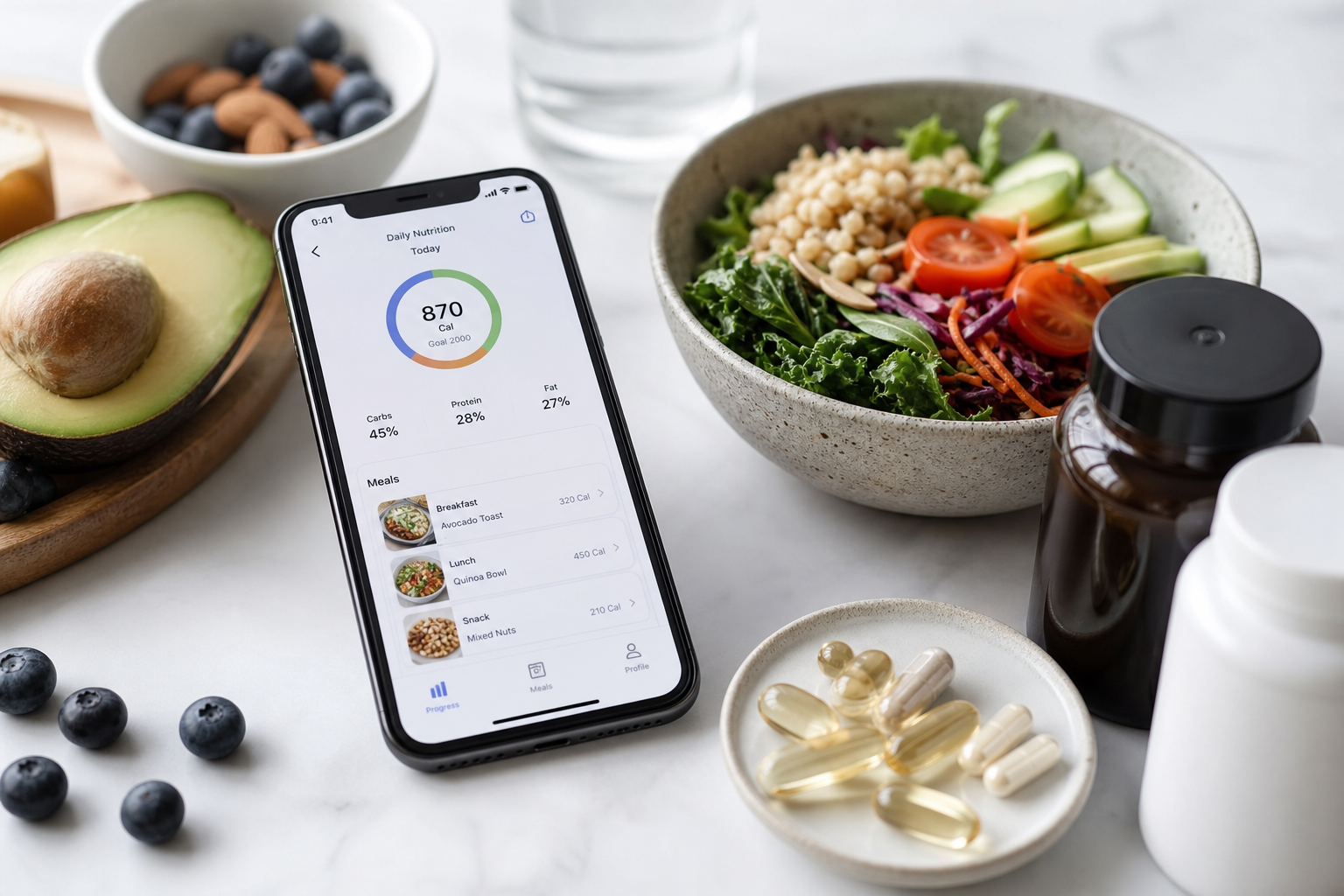
2026 FDA Regulation: Supplement Myths & Facts Revealed

Supplement Myths & Facts: What 2026 Research and FDA Updates Actually Reveal
The landscape of dietary supplements is undergoing a seismic shift as new research and forthcoming FDA regulations challenge long-held beliefs. With 59% of U.S. adults regularly taking supplements, it’s crucial to distinguish between myth and fact to make informed choices for health and wellness. This article explores five prevalent supplement myths and the truths that accompany them, highlighting the implications of the FDA's anticipated regulations in 2026.
- 59% of U.S. adults take supplements regularly, highlighting the need for clarity in the market.
- The FDA is modernizing supplement regulation under DSHEA, with a public meeting scheduled for March 27, 2026.
- New research indicates multivitamins may slow biological aging, yet may not affect mortality rates.
- 90% of American adults face nutrient gaps, emphasizing the importance of supplements in nutrition.
- Grüns offers a quality option with third-party testing and comprehensive nutrition to fill dietary gaps.
The Big Picture
As the U.S. supplement market is projected to reach $131 billion by 2033, the need for clarity and consumer protection is more pressing than ever. With over 85,000 supplement products currently on the market and more than $60 billion in annual sales, misinformation can have significant health implications. The FDA’s efforts to modernize the Dietary Supplement Health and Education Act (DSHEA) will attempt to address these concerns and ensure consumer safety while promoting informed choices.
Myth #1: "Supplements aren't regulated by the FDA"
Fact: While it's true that supplements are regulated differently than drugs, they are still under the oversight of the FDA. The FDA does not approve supplements before they hit the market, but they are required to adhere to safety and labeling guidelines. A public meeting scheduled for March 27, 2026, aims to discuss the modernization of these regulations, which could enhance consumer safety and product efficacy.
Myth #2: "Multivitamins are just expensive urine"
Fact: Contrary to this common belief, research from the COSMOS trial conducted by Mass General Brigham in May 2026 found that multivitamins can slow biological aging by approximately four months. However, a separate study published in JAMA Network Open showed that multivitamin use did not correlate with a reduction in mortality rates among healthy adults across three large cohorts. This indicates the need for a nuanced understanding of multivitamin benefits and limitations.
Myth #3: "If it is natural, it must be safe"
Fact: Experts from Stanford Medicine debunked this myth in December 2025. Not all natural substances are safe; for example, yellow oleander can be toxic, and excessive Vitamin D intake (over 4,000 IU/day) can lead to toxicity, as noted by the Mayo Clinic. This highlights the necessity of approaching "natural" products with caution and seeking reliable information.
Myth #4: "More is always better"
Fact: Research indicates a U-shaped relationship between nutrient dosing and mortality, suggesting that more isn’t necessarily better. Approximately one in twelve U.S. adults consumes botanicals known to cause kidney damage, as noted in a study published in PMC. This underscores the importance of adhering to recommended dosages and being aware of potential risks.
Myth #5: "You do not need supplements if you eat healthy"
Fact: Despite a healthy diet, many Americans still experience nutrient deficiencies. Data from the CDC and NHANES reveals that 90% of U.S. adults suffer from at least one nutrient gap. Furthermore, 27% of the American diet is composed of nutrient-poor foods, suggesting that supplementation can be an essential factor in achieving optimal health.
Why This Matters Now
The anticipated regulatory changes from the FDA in 2026 signal a pivotal moment for the supplement industry. As consumers become increasingly health-conscious, the demand for transparency and quality assurance is paramount. The upcoming discussions on modernizing DSHEA aim to protect consumers and enhance the credibility of supplements in the market.
How to Choose a Quality Supplement
When navigating the supplement aisle, consider these three criteria to ensure you choose a high-quality product:
- Third-Party Testing: Look for supplements that have undergone rigorous third-party testing for purity and potency.
- Transparent Labeling: Choose brands that provide clear and comprehensive ingredient lists without artificial colors or flavors.
- Nutrient Profile: Opt for supplements that contain a broad range of vitamins and minerals to cover potential dietary gaps.
The Grüns Angle
Grüns stands out in a crowded market by prioritizing quality and transparency. With third-party testing and over 20 essential vitamins and minerals, Grüns gummies serve as a smart daily foundation for those looking to bridge their nutrient gaps. Our products are free from artificial colors and flavors, ensuring a wholesome supplement experience that aligns with your health goals.
FAQ Section
1. Are supplements safe?
Most supplements are safe when taken as directed. However, it's crucial to choose quality products and consult a healthcare professional if you have questions about specific ingredients or dosages.
2. How does the FDA regulate supplements?
The FDA oversees dietary supplements under the Dietary Supplement Health and Education Act (DSHEA), ensuring product labeling and safety but not requiring pre-market approval as with pharmaceuticals.
3. What should I look for on a supplement label?
Look for third-party testing certifications, a comprehensive ingredient list, and clear serving size recommendations. Avoid products with vague terms and excessive fillers.
4. Can I get all the nutrients I need from food?
While a balanced diet is crucial, many people still experience nutrient gaps due to various factors, including lifestyle and dietary choices. Supplements can help fill these gaps.
5. Are multivitamins worth taking?
Multivitamins may offer benefits, such as slowing biological aging, but their effects on mortality rates can vary. It’s important to consider your individual health needs and consult with a healthcare professional.
6. What are the risks of taking too many vitamins?
Taking excessive amounts of certain vitamins can lead to toxicity and adverse health effects. Always adhere to recommended dosages, and consult your healthcare provider if you have concerns.
7. How can I ensure I'm getting the right supplements for my needs?
Consult a healthcare professional to assess your specific nutrient needs, and choose high-quality supplements that align with your health goals and dietary gaps.
In a market rich with options and rife with misinformation, staying informed about supplements is essential for making choices that support your health and wellbeing.
Try Gruns Gummies Today
Packed with vitamins & nutrients from real fruits and vegetables. Your daily wellness routine, simplified.
Shop Now →